One of the greatest current environmental concerns both for the near term as well as for the future is the dramatic increase in airborne greenhouses gases, particularly carbon dioxide (CO2). The rising CO2 concentration has been reported to account for half of the greenhouse effect that causes global warming.
The major contributors of these gases are the exhaust of motor-driven vehicles and the flue gas of fossil fuel based power plants. Intensive research has been invested during the last two decades in finding ways of reducing the amount of CO2 in the gases emitted to the atmosphere.
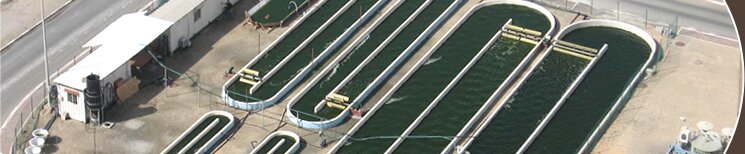
One of the most discussed ways for the sequestration of CO2 from power plant flue gases is the bioconversion of CO2 and solar energy to biomass by photosynthesis. Bioconversion of the power station's CO2 emissions can be especially efficient in countries with high solar activity, such as in Mediterranean countries. In Western Europe, there are examples showing that when flue gasses are supplied by natural gas-fired power stations to greenhouses, the CO2 emissions are converted from a problematic source of climate change into a positive factor for agriculture.
Biomass in the form of agricultural crops, agricultural and forestry residues (captive and collected), energy crops (grasses, algae, and trees) and animal wastes can be converted by thermo-chemical pretreatment, enzymatic hydrolysis, fermentation, combustion/co-firing, gasification/catalysis, gasification/fermentation or by pyrolysys, to fuels - bioethanol/biodiesel/biogas, power - electricity and heat, and chemicals - organic acids, phenolics/solvents, chemical intermediates, plastics, paints and dyes. Without describing fully the intricacies of the patent, the invention includes, but is not limited to, the following technological breakthroughs.